


Governance, Members and Trustees
Currently 15% of Watergrove learners attend a Church of England school and our Articles of Association stipulate that between 25% and 40% of our Board of Trustees and Members are appointed by the Diocese of Manchester.
The purpose of governance is to provide confident and strong strategic leadership which leads to robust accountability, oversight and assurance for educational and financial performance.
• Ensuring clarity of vision, ethos and strategic direction;
• Holding executive leaders to account for the educational performance of the organisation and its pupils, and the effective and efficient performance management of staff; and
• Overseeing the financial performance of the organisation and making sure its money is well spent.
The Governance Structure at the Watergrove Trust is as follows:
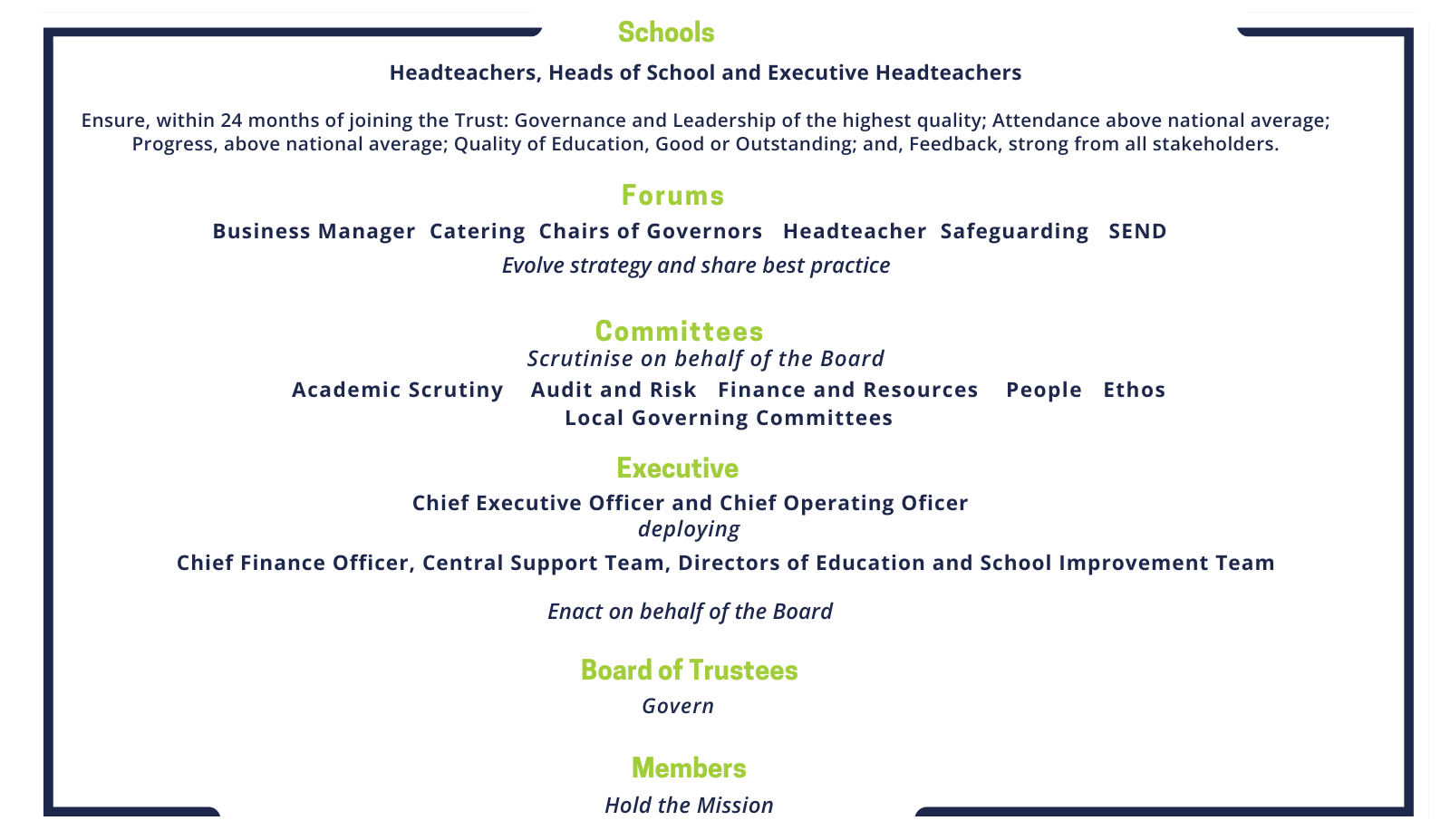

To view local governors’ attendance records please visit academy websites
Details of Trustee and Governor attendance and business interests as well as Senior Employee business interests can be found here.
Copies of the minutes of board meetings can be requested via governance@watergrovetrust.co.uk
Scheme of Delegation and Governance Information Attendance Documents can be found on our centralised Policies and Key Documents page.
Shehla Adam
Governance Professional
Members
We are blessed at Watergrove to have Members who bring significant institutional wisdom to the job of ensuring that our Trust never strays from its core values and duties.
-
Saeed Atcha MBE DL
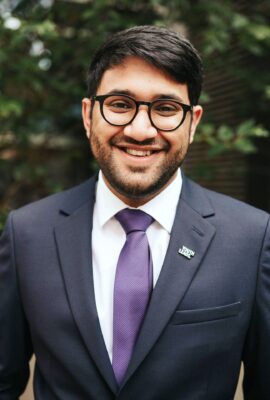
Saeed Atcha MBE DL
Saeed founded the charity Youth Leads UK, supporting disadvantaged young people in Greater Manchester to access volunteering opportunities and skills development programmes. He was trustee of the Prince of Wales’ charity Step Up To Serve and was appointed Deputy Lieutenant of Manchester in June 2019.
Saeed was awarded an MBE for services to young people and the community in Greater Manchester in the 2019 New Year Honours, the youngest recipient on the list.
As Prime Minister, David Cameron awarded Saeed a Point of Light award for his work with young people. -
The Rt Hon. the Lord Knight of Weymouth
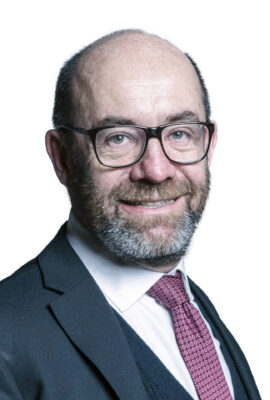
The Rt Hon. the Lord Knight of Weymouth
Lord Jim Knight is Baron Knight of Weymouth, chief education and external officer at TES Global Ltd and a Visiting Professor at the London Knowledge Lab of the Institute of Education. -
Deborah Smith
Diocese of Manchester
Diocese of Manchester
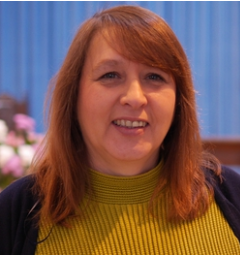
Deborah Smith
Deborah Smith is the Diocese of Manchester Director of Education.
Trustees
Our Board of Trustees is especially strong bringing significant expertise to the job of scrutinising and enhancing the work of the Trust.
-
Shakeel Ahmed
Audit and Risk

Audit and Risk
Shakeel Ahmed
Beginning his professional career as a Systems Engineer at Adtranz, Shakeel was then recruited as Operations Manager of ROCC Computers.
In 2012, Shakeel became the Managing Director of Creative Networks Ltd, a certified 3CX Gold Partner, overseeing projects for customers such as Afton Chemical, British Petroleum and Suzuki. -
Revd Anne Gilbert
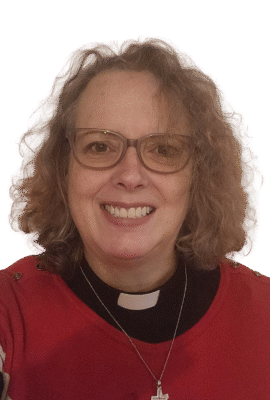
Revd Anne Gilbert
I am The Revd Anne Gilbert, Area Dean of Rochdale. I am an ordained Minister and have served in Rochdale throughout my ordained ministry. I previously served as a trustee of Watergrove during my curacy and have a deep understanding of, and empathy with, the Trust’s vision and values. My long-standing commitment to education is demonstrated by 29 years in secondary teaching, initially as a Religious Education teacher. I also held positions as Head of RE, Head of Humanities, and a senior leadership role overseeing SMSC and British Values.
In governance, I bring wide-ranging experience: I have served as a teacher governor, a foundation governor in both primary and secondary schools, Chair of Governors in a primary school, and as a trustee. I am also a fully accredited union caseworker, having supported three different schools through the academisation process and in one school, its subsequent integration into a multi-academy trust. My experience as a union representative has further honed my ability to support and challenge constructively. -
Professor Bob Harrison
Leadership
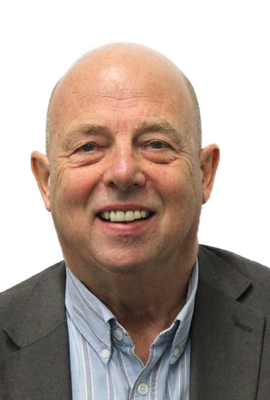
Leadership
Professor Bob Harrison
Bob is Visiting Professor at the University of Wolverhampton
He has had extensive experience in schools and colleges as a teacher, lecturer, senior manager, Principal and Governor. He has worked with Headteachers and senior leaders in developing leadership skills for the National College of School Leadership, was the adviser to DfES on the FE Principals Qualification, was Digital/e-learning adviser for the DfES Standards Unit and was the lead on Digital Futures for Building Schools for the Future.
Bob is also Chair of Governors at Northern College and a Governor at Oldham College.
He was Toshiba’s Northern European Education Adviser for 16 years and is a writer, presenter and researcher on mobile learning, digital technologies and next generation learning. He is a BERA member and recently presented at BERA 2019 on “Digitisation and Academisation”. -
Anna Kirk
School Improvement

School Improvement
Anna Kirk
As Associate Director of Partnerships at Ambition Institute, Anna led a team to develop partnerships with teaching school hubs, MATs, and local authorities across the North of England. She built strong relationships with system leaders across the education sector, and supported partners to deliver high quality professional development aimed at tackling inequality in education.
Anna also led on the development of the Early Career Teachers programme to support new teachers coming into the profession, during their first few years in school.
Now Regional Delivery Lead for the North West at the Education Endowment Foundation (EEF), Anna continues to work with a strong network of contacts - including system leaders, key influencers and headteachers - to ensure that EEF’s evidence and resources are reaching schools, particularly those in disadvantaged circumstances.
She works closely with Research Schools to ensure schools can access the high-quality support, training and coaching available from the Research School Network and other EEF partners -
Julia Lees
Land and Legal
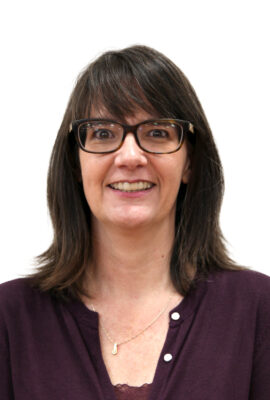
Land and Legal
Julia Lees
Julia Lees is a highly-experienced solicitor with over 20 years of practice. Her current specialism is land and property law. -
Gail Mortimer
Academic Scrutiny

Academic Scrutiny
Gail Mortimer
Gail was formerly Chair of the General Teaching Council for England and is now Chair and Lay Member of Conduct and Competence Committees and Fitness to Practise Panels for the Medical Practitioners Tribunal Services. A former Teach First Professional Tutor, Gail was also National Strategies Regional Adviser for the West Midlands with a remit for secondary education pedagogy, practice, standards and assessment -
Professor Janice Perkins
Vice Chair of Trustees and Safeguarding

Vice Chair of Trustees and Safeguarding
Professor Janice Perkins
Janice is Chair of the Royal Pharmaceutical Society’s Community Pharmacy Expert Advisory Group and is Visiting Professor at Keele University. -
Susan Taylor
Vice Chair of Trustees
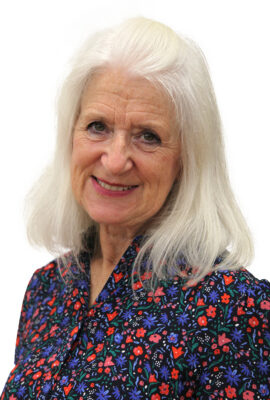
Vice Chair of Trustees
Susan Taylor
Susan enjoyed a successful career spanning 40 years in Primary Education, including 15 years as a Primary Headteacher of a popular, oversubscribed school with high academic standards. The two Ofsted inspections under Susan’s leadership were both Good with Outstanding features. In particular, Susan was noted for her innovative SEND provision, which provided outstanding support and education for the most vulnerable pupils.
A designated Local Leader of Education, Susan was deployed as an Interim Headteacher in failing schools, employing her considerable strengths in team building, staff welfare and morale.
In terms of governance Susan was twice approached to join an Interim Executive Board, one secondary and one primary. The first request was to become part of the recovery program for Wardle High School, with a brief to support Foundation Governance. Susan remained in Governance at Wardle for some time, overseeing Academy conversion, transfer into a new PFI building and expansion from a stand-alone Academy to a Multi-Academy Trust. -
Gary Walczak
Chair of Trustees
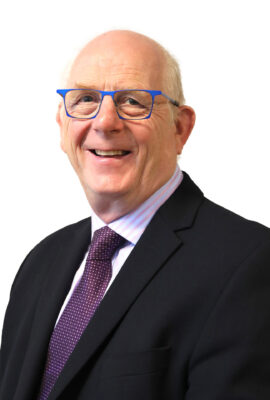
Chair of Trustees
Gary Walczak
Gary is a retired senior leader in secondary education having been professionally involved with the education and development of young people all his working life. He has been a governor at St Andrew’s school for over 30 years and took on the role of Chair after retiring. He is also Chair of Pennine District Scouts Executive.
He believes strongly in providing children with a broad and rich curriculum which provides them with opportunities to achieve their true potential.
Gary has a particular interest in music and sport and he is one of two diocesan appointed trustees on the Watergrove Trust. He also sits on the Manchester Diocesan Board of Education.
Chairs of Local Governing Committees
As a part-centralised Trust, we are enabled by the great work of our committed Local Governing Committees, who provide yet another level of careful support for our schools.
-
Paul Young
Falinge Park High School
-
James Bannon
Matthew Moss High School & Moorhouse Academy

-
Julie Clarke
Sandbrook Primary School, Kentmere Academy and St Mary's C.E.

-
Councillor Ashley Dearnley
St Andrew's C.E. Primary School

-
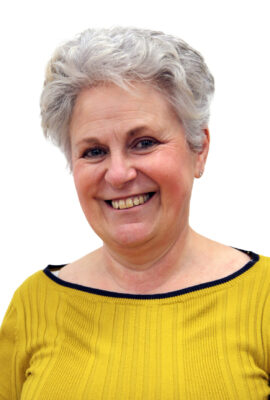
Sally Ogden
St James' C.E. Primary School
-
Daniel Cassel
Wardle Academy

Could you help us to “provide more” to our school communities?
Expert governance has the power to drive school improvement and is one of the biggest benefits a school gets from joining a trust.
The role, as a governing body, is to decide the trust’s ethos and strategic priorities, what education will be provided to pupils, and how resources are best spent to achieve this.
We are recruiting for governors and trustees. These are rewarding roles, working towards a shared goal of providing a high-quality education for children and young people in our community.
Just as our schools are incredibly diverse and culturally rich places, it is vital that our Board of Trustees and Local Governing Committee reflect that diversity and richness too.
Trustees and governors – what’s the difference?
- Governors work with individual schools and communities where as trustees serve on the academy trust board.
- Trustees are both company directors and charity trustees as academies have the legal status of both company and charitable trust.
- Trustees have more specific responsibilities than governors, especially when it comes to finances.
- Because trustees are directors under company and charity law, trustees have legal responsibilities that governors of maintained schools do not. With no local authority to answer to, if anything goes wrong, the academy or MAT is accountable.
What is governance?
Governing boards meet regularly to look at the big picture and the school’s long-term goals. They set the culture and values of the school, responding to opportunities and challenges.
Governors and trustees work closely with the headteacher, supporting them and challenging them.
The role is voluntary and involves preparing for and attending meetings with staff and occasionally visiting schools. The aim of the role is to ensure schools are offering the best education and support for learners and staff.
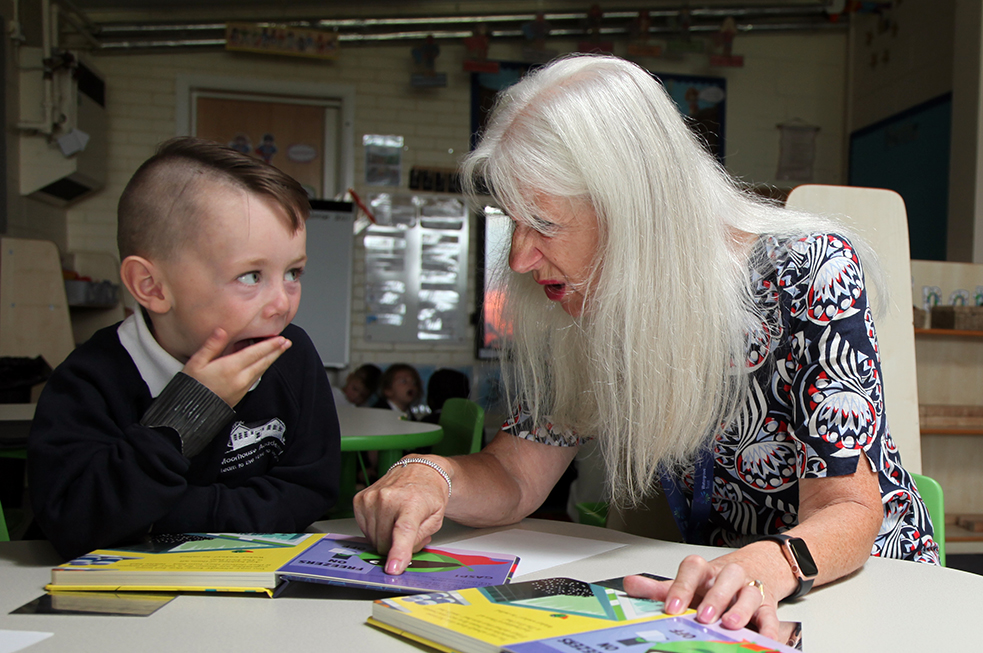
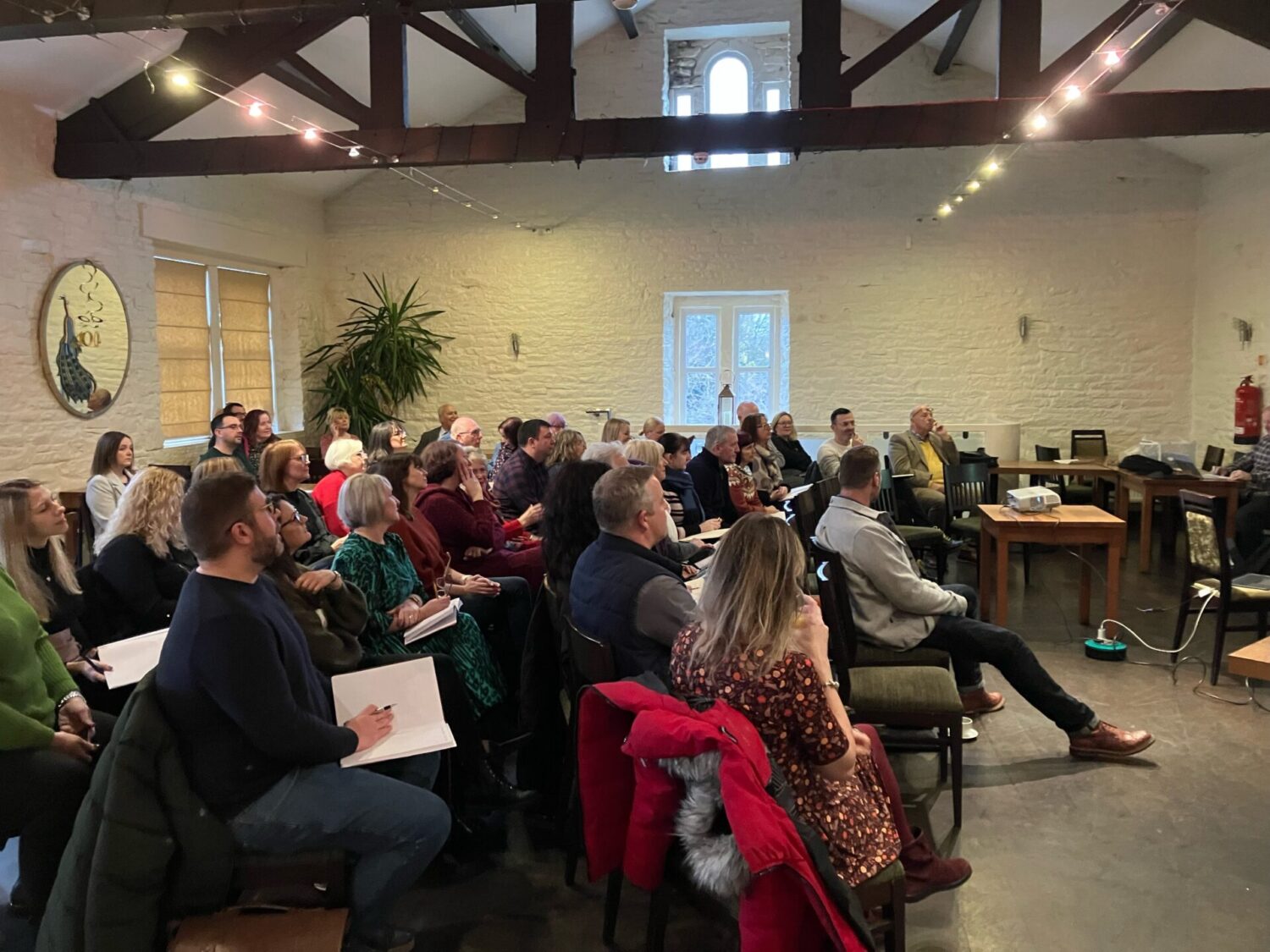
Activities can include
- attending governing board meetings: these normally take place around six times a year and may be held outside school hours
- looking at information and evidence on the school’s progress and discussing with school leaders
- visiting the school to see plans working in practice, and listening to the views of staff, pupils and parents
- selecting and appointing a headteacher following the resignation of the current headteacher
- making decisions about issues such as pupil exclusions and staff disciplinary matters
- undertaking induction training and ongoing development.
What skills are helpful?
There aren’t any specific requirements to be a trustee or school governor. Just like governing boards, a board of trustees must be diverse and made up of people with different skillsets. Professional backgrounds in areas such as HR, law, finance, and marketing are key skills needed on MAT trustee boards, but softer skills such as negotiation, problem solving, and leadership, are also great additions.
However, given the extra levels of responsibilities, trustees must be skilled, knowledgeable, and able to confidently support and challenge the leadership of a group of schools.

Trustees must also have the time to commit to the role, but in return, will gain high level strategic experience and insight into becoming a non-executive director.


